
June 15, 2026 - ALOHA MONDAY!
Welcome back to another edition of the AEC UNSTUCK newsletter!
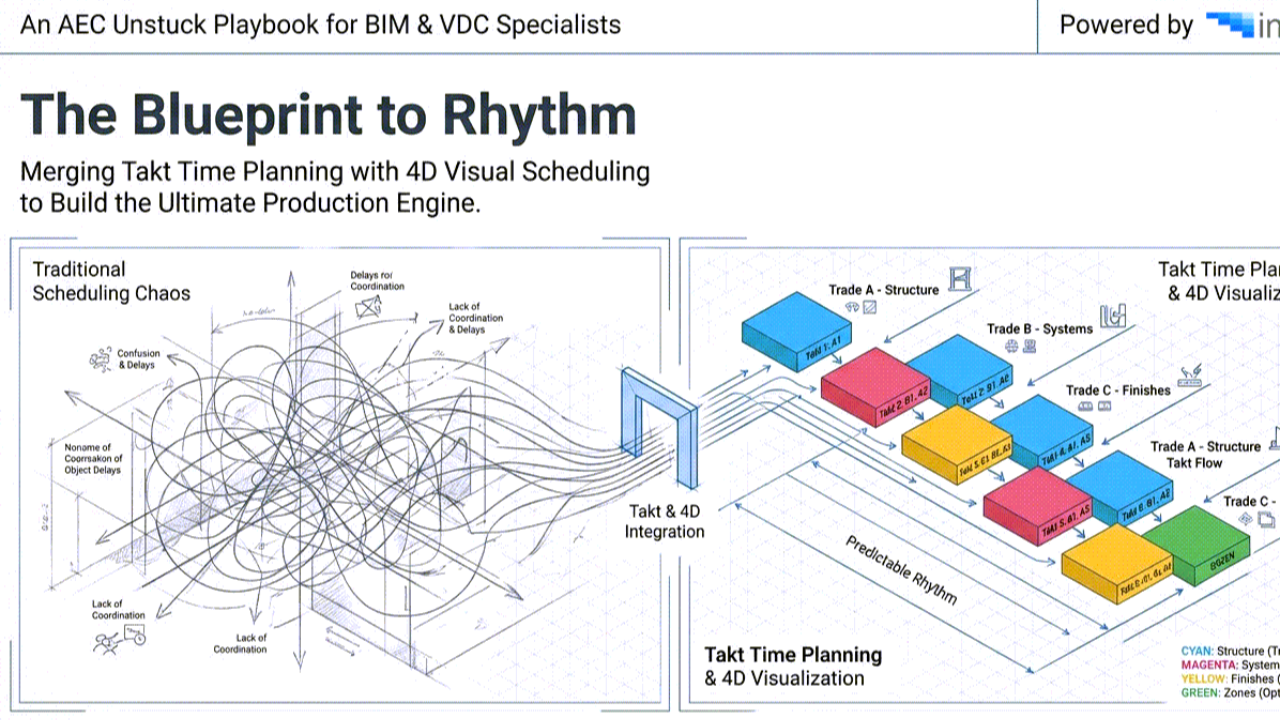
Every Building Information Modeling (BIM) and Virtual Design and Construction (VDC) specialist knows the rush of a perfectly coordinated model. We track clashes down to the fraction of an inch, map complex sequences, and run visual scheduling animations (4D) to build projects virtually before boots hit the jobsite mud.
Yet, any experienced technician can point to a project where the digital coordination was pristine, but the physical delivery fell apart.
Why? Because our industry is paralyzed by a massive "Triad of Disruption": a Talent Crisis (the "Missing Middle" gap between retiring Boomers and high-churn digital natives), Digital Disconnection (firms drowning in expensive software that creates more work), and an intellectual Brain Drain where invaluable institutional memory walks out the door every evening.
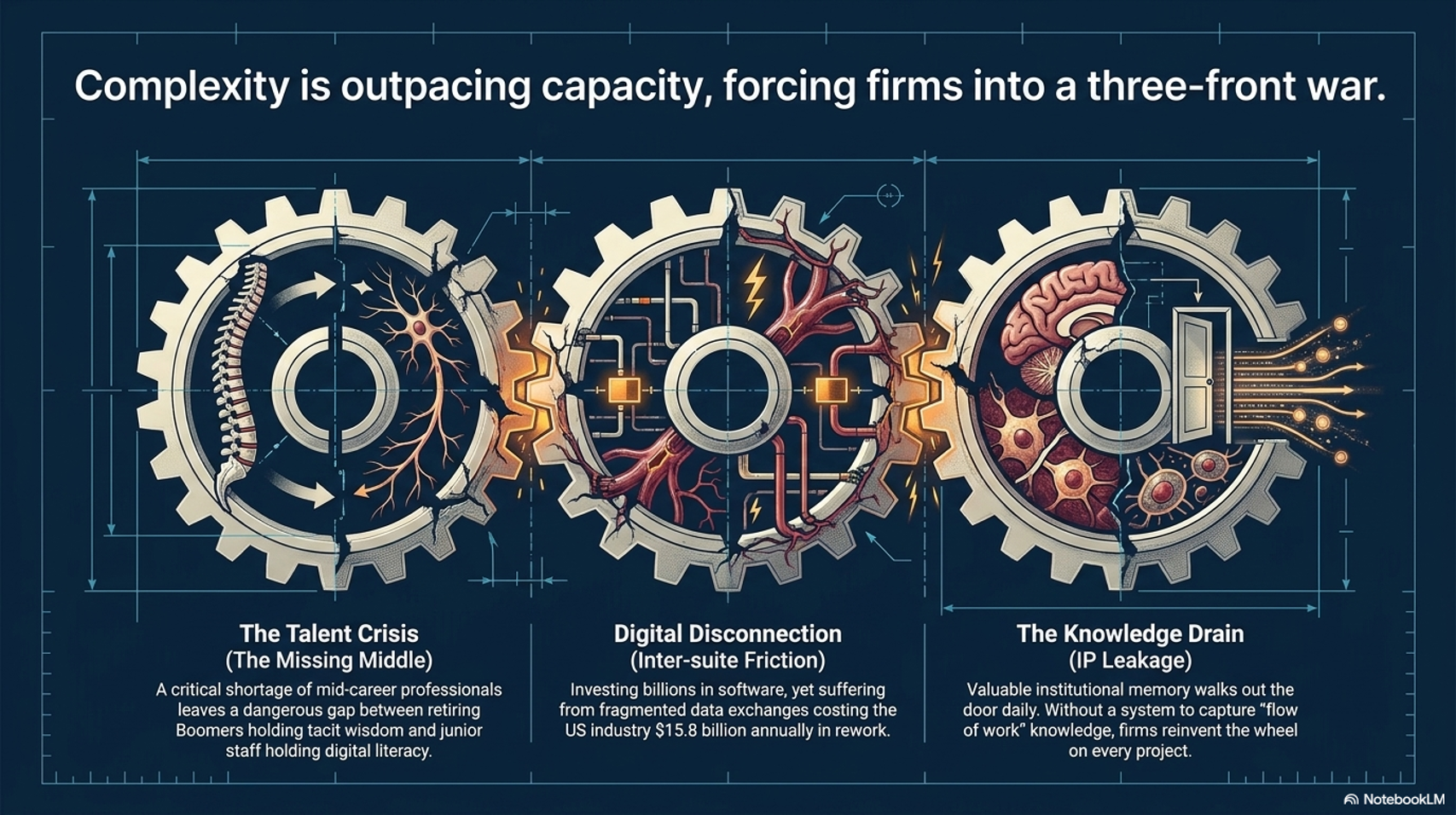
Traditionally, AEC firms treat the organization like a rigid, top-down Machine optimized for linear output. But when volatility hits, machines break. To navigate these crises, the OpEx5 Operating System (OS) reframes the firm as a Living Organism. In a living organism, software tools are not the solution; they are merely the nervous system. The real connective tissue is People, and the engine of operational excellence is Relational Intelligence (RI), the capacity to deeply understand, connect with, and navigate human team dynamics.
To upgrade our Relational Intelligence, we must turn to the definitive teachings of Harvard Business School professor Amy Edmondson and her landmark book, The Fearless Organization.
What is Psychological Safety (and What It Isn’t)?
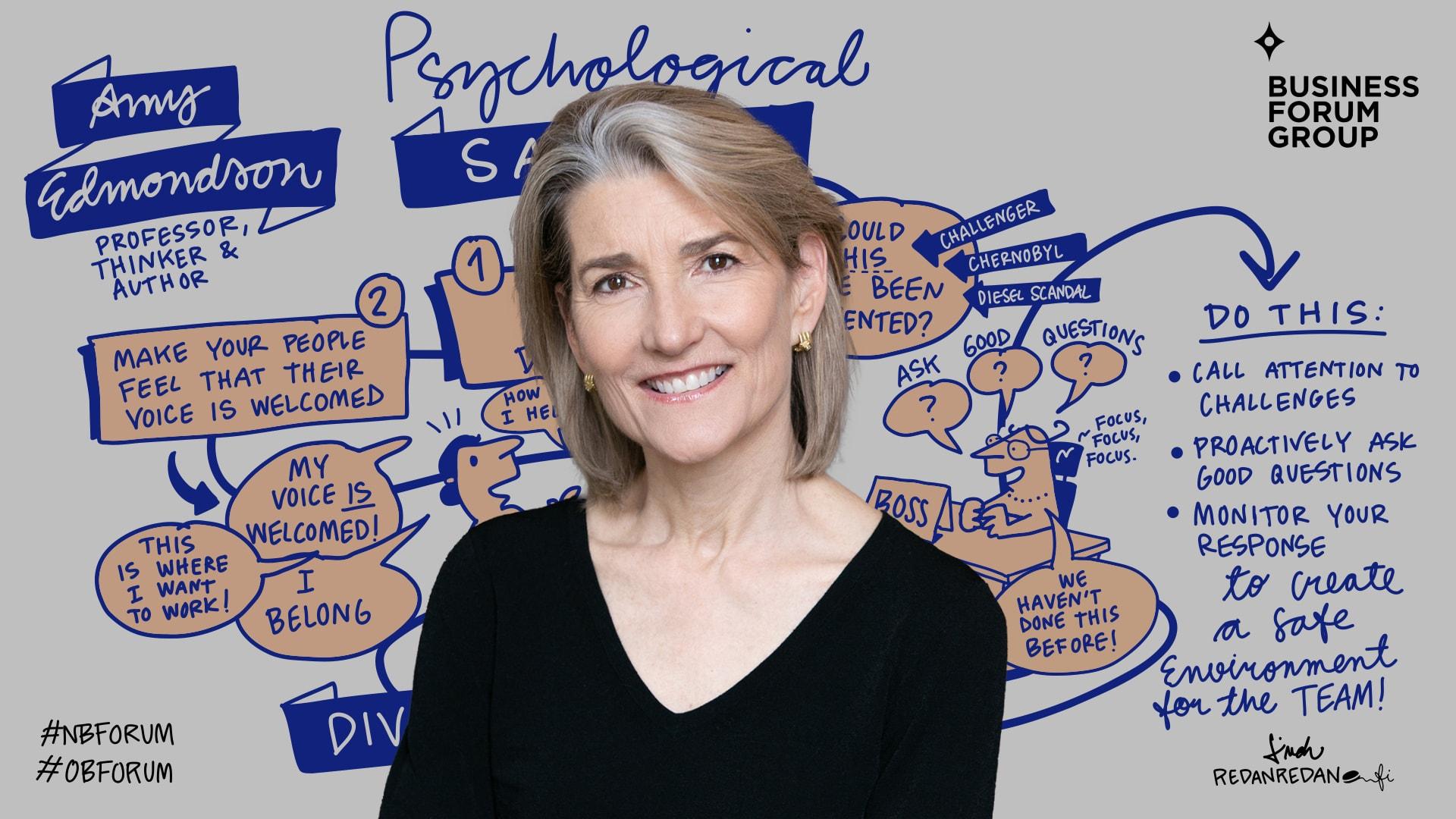
Amy Edmondson pioneered the concept of psychological safety, defining it as a shared belief that a team is safe for interpersonal risk-taking.
"Psychological safety is not about being nice. It’s about giving candid feedback, admitting mistakes, and learning from failure." - Amy Edmondson
In the low-trust, high-blame culture that historically plagues construction, people frequently stay quiet to protect themselves. They don't want to look ignorant, incompetent, or disruptive. In a psychologically safe environment, team members voice concerns early because they know the team values truth over comfort.
For a BIM Hero, psychological safety is our ultimate pre-construction tool. It means finding the clash in the office or coordination model, rather than on the jobsite concrete.
Fusing the Fearless Framework with the 5 Pillar Strategy
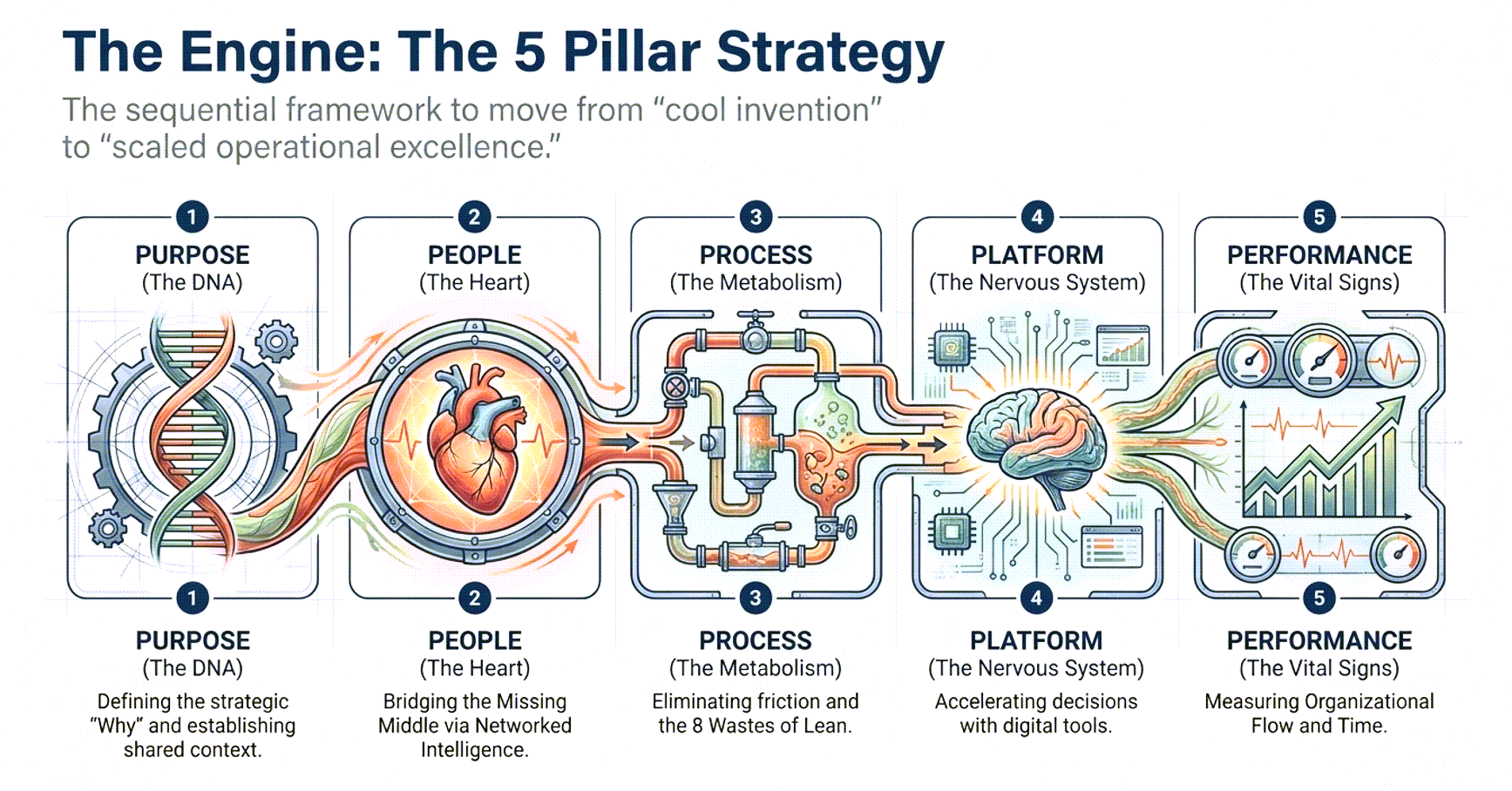
To move Edmondson’s cultural framework from academic theory into a field-ready workflow, we must weave psychological safety directly into the physiological systems of our organization: The 5 Pillar Strategy (Purpose, People, Process, Platform, and Performance).