
May 18, 2026 - ALOHA MONDAY!
Not too long ago, I found myself sitting in a meeting room with business leaders from a global tech firm we all know. We were discussing their upcoming capital projects, which included massive facility renovations and new builds.
During the conversation, one of the executives paused and asked a refreshingly simple question: "What exactly is 'Reality Capture,' and how can it add tangible value to our capital projects? And please, I’m not very technically savvy, so break it down for me in layman's terms."
That moment perfectly highlighted a critical shift our industry desperately needs. To truly drive digital transformation, we have to transition from being technical specialists swimming in acronym soup to becoming business and operational integrators. Our job isn't to show off how complicated the technology is; it's to translate the value of that technology into improved business outcomes for our clients.
So, I took my storytelling approach and broke this complex topic down into simple terms. I explained how this technology removes guesswork and directly impacts the bottom line. By the end of the explanation, the executives didn't just understand the value, they engaged me to help them develop a reality capture strategy for their upcoming projects to drastically reduce their design and construction time and costs.
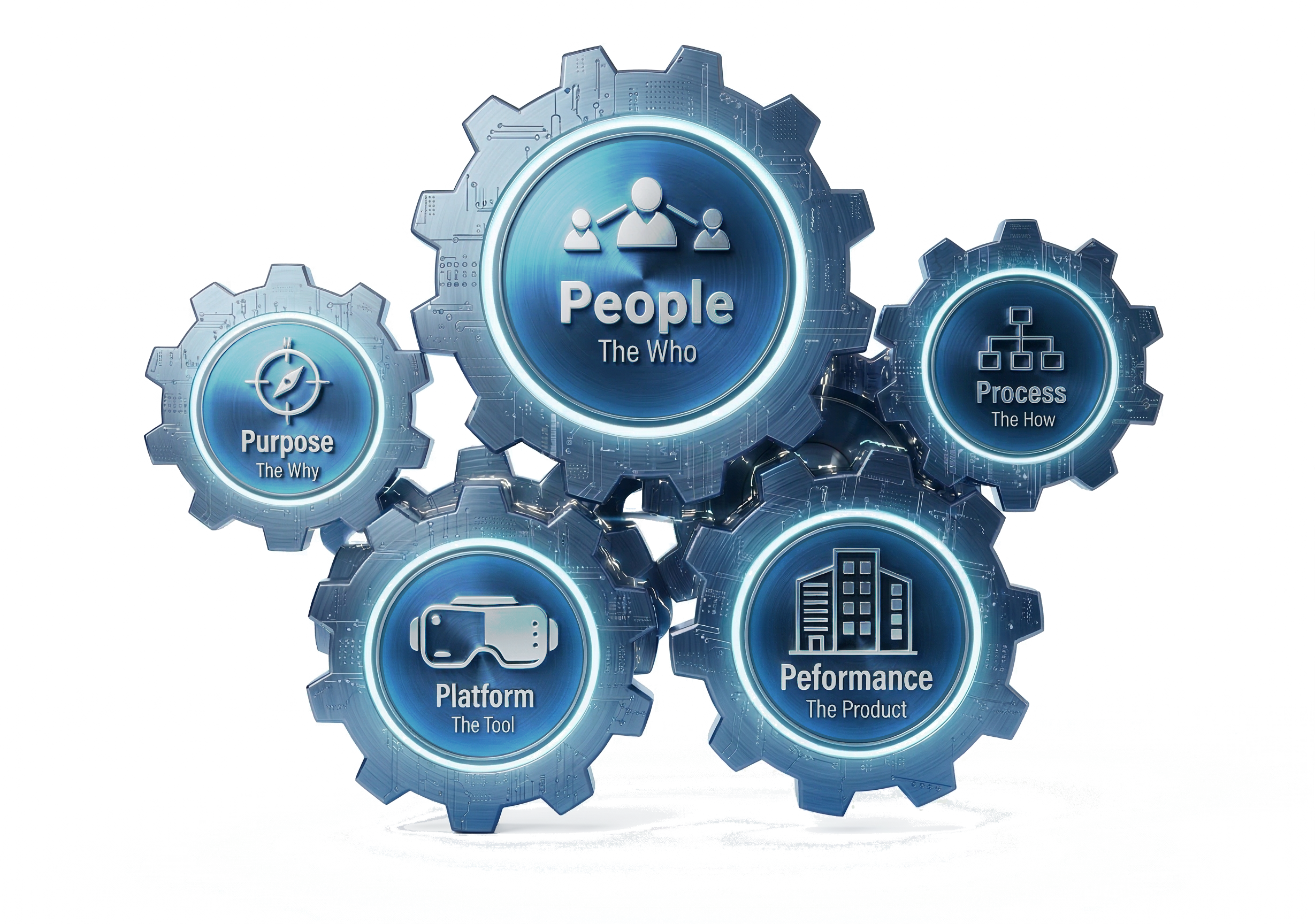
To help you improve your own sales pitch to executives, I've repurposed my latest video script on reality capture. Here is the "layman's" breakdown of reality capture, framed through the lens of our 5 Pillar Strategy to help you operationalize the conversation.
P1: Purpose (The "Why")
For decades, multi-million dollar construction projects have been built on a foundation of guesswork, relying on incomplete plans and outdated blueprints. This guesswork forces architects and engineers into making assumptions that inevitably lead to incredibly expensive surprises and rework down the line.
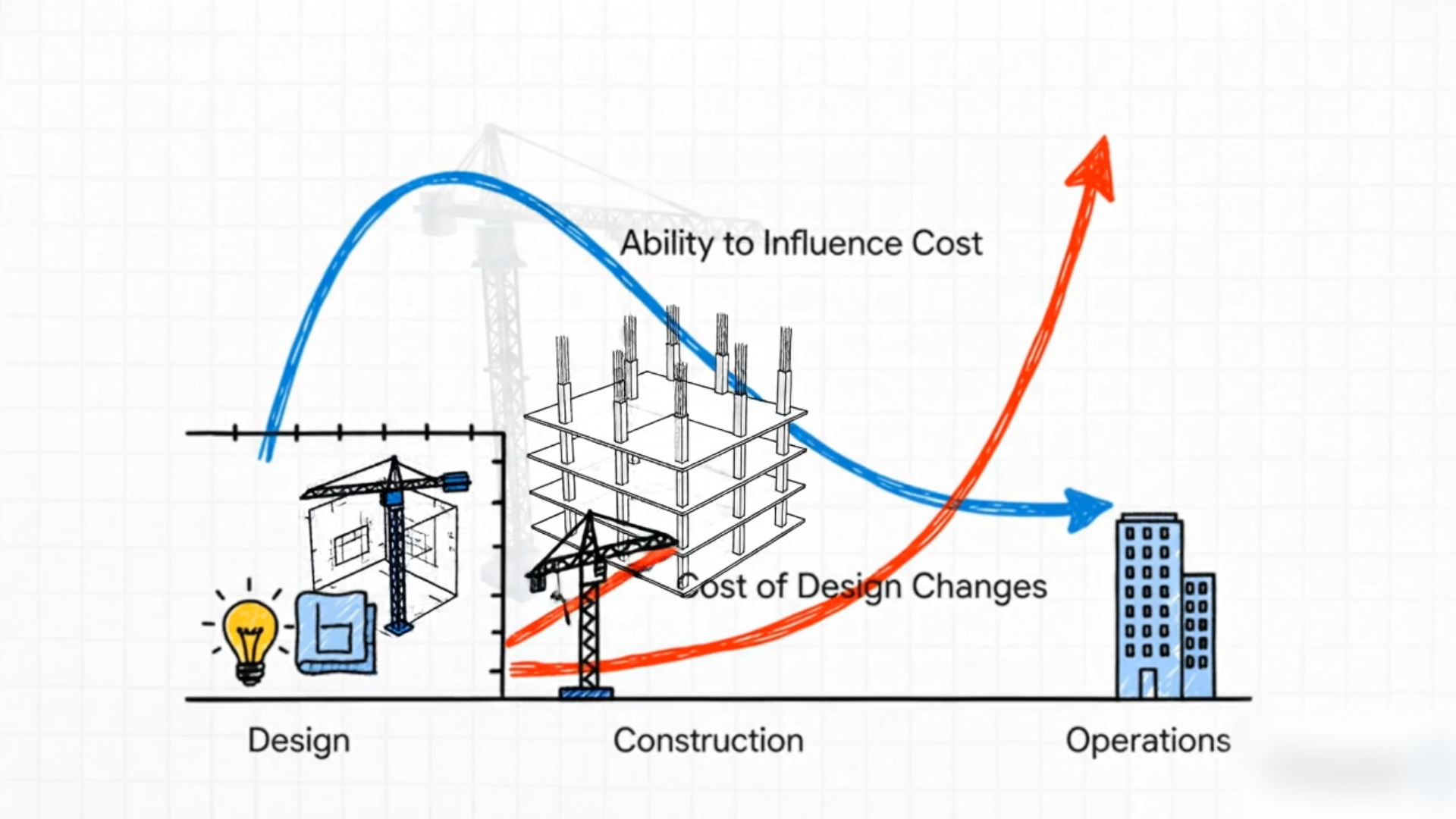
The purpose of reality capture is to eliminate that guesswork completely. By creating a single source of verifiable truth, teams can spot potential conflicts before anyone even starts designing or building. As we know from the old 1976 MacLeamy/Paulson's curve, the earlier we identify problems, the cheaper and more efficient it is to resolve them.
Storytelling Tip:
Validate the challenge before you mention the tool. Paint a vivid picture of the "guesswork" to frame the technology as the hero that saves the project stakeholders time to make the best decisions. First, understanding the business problem we are trying to solve is more important than the tool.
P2: People (The "Who")
Technology doesn't face challenges, people do. Reality capture profoundly impacts every stakeholder involved in a project, from the designers and engineers to the builders and facilities teams who will eventually operate the building.
In the past, we sent people out to sites to measure by hand, take photos, and spend days manually digitizing the information. This was a massive drain on human capital. Reality capture serves our people by replacing days of manual, error-prone work with a few hours of scanning and processing, ensuring everyone has the precise information they need to make the right decisions and focus on higher-value activities.
Storytelling Tip:
Make people the focal point. Contrast the "painful past" of manual measuring with an "empowered future" where everyone has the info they need to make decisions instantly.
Within any given process on our projects, multiple stakeholders are involved in planning and decision making before we execute work. Understanding the impact to all stakeholders involved will strengthen your solution. Remember, this is a team sport.